How Bonding Helps in Cosmetic Dentistry Bakersfield CA
@paxtonmptz518
October 5, 2026 · 15 min read
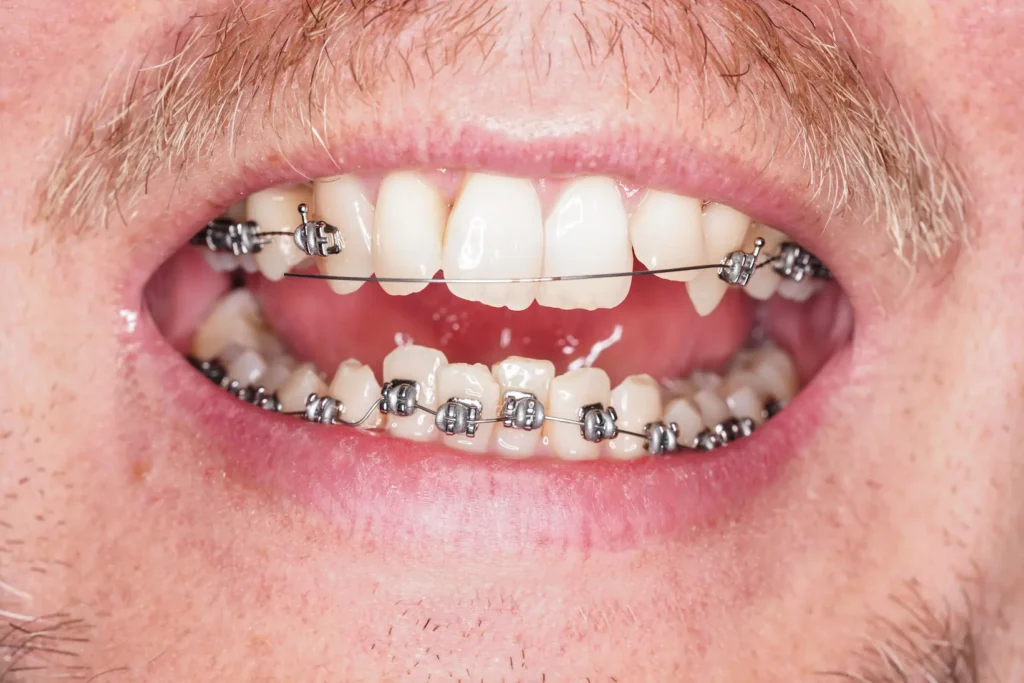
A lot of cosmetic dental concerns are smaller than people expect, but they still change the way someone feels when they talk, laugh, or smile for a photo. A tiny chip on a front tooth, a narrow gap that draws the eye, an edge worn down from grinding, a dark spot that does not respond to whitening, these are not dramatic dental emergencies. Still, they matter. They sit in the center of the smile, and people notice them every day.
That is where bonding often earns its place. In many cases, dental bonding is one of the most practical tools in cosmetic care because it improves shape, color, and symmetry without asking the patient to commit to a more aggressive treatment. For people exploring Cosmetic Dentistry Bakersfield CA, bonding tends to come up early in the conversation for a simple reason: it can create visible improvement quickly, conservatively, and at a cost that is often easier to manage than porcelain veneers or crowns.
The real value of bonding is not just that it can make a tooth look better. It is that it can solve the right kind of problem in the right kind of way. Good cosmetic dentistry is not about doing the biggest treatment available. It is about matching the treatment to the tooth, the bite, the patient’s habits, and the result they actually want.
What dental bonding really is
Dental bonding uses a tooth-colored composite resin, a sculptable material that adheres to enamel and dentin, to change the appearance of a tooth. Dentists use versions of this same material for many white fillings, so it has a long and familiar clinical track record. In cosmetic work, the resin can be layered, shaped, and polished to blend with the surrounding teeth.
When bonding is done well, it does not look flat or chalky. It reflects light in a way that feels natural in the mouth. That is one detail patients rarely think about before treatment, but it matters. Front teeth are not one solid color. They have subtle variation, a little translucency toward the edge, and a surface texture that catches light differently from one angle to another. A careful dentist takes time with these details.
In practice, bonding is often completed in one visit. The tooth may need minimal preparation, or in some cases none at all. The surface is conditioned, the resin is applied and shaped, then cured with a special light. After that, the dentist refines the contours and polishes the material so it blends into the smile. For the right patient, that combination of speed and conservatism is hard to beat.
Why bonding fits so well in everyday cosmetic cases
Some cosmetic procedures are ideal for major changes. Veneers can transform multiple teeth at once. Crowns can rebuild heavily damaged teeth. Orthodontics can correct the position of teeth and the bite. Bonding, though, fills an important middle ground that many patients need far more often than they realize.
A common example is the patient with one front tooth that chipped years ago and was never repaired properly. The rest of the smile may be healthy and attractive, but the damaged edge keeps drawing attention. Another example is a person who finished orthodontic treatment and likes the alignment but wishes two teeth looked more proportional. Bonding can often refine those details without turning a small cosmetic concern into a larger restorative project.
This is especially relevant in a place like Bakersfield, where patients often want treatment that works with a busy life. Parents, professionals, shift workers, and people managing full schedules tend to appreciate options that do not require multiple lengthy appointments Cosmetic Dentistry Bakersfield CA if those options can still produce a polished result. That is one reason bonding remains a strong part of Cosmetic Dentistry Bakersfield CA practices. It respects time while still delivering meaningful improvement.
The cosmetic problems bonding can address
Bonding is versatile, but it is not magic. Its best uses are usually straightforward. Small chips, irregular tooth edges, slight spacing, minor differences in tooth length, isolated discoloration, and subtle reshaping are all well within its wheelhouse. It can also help a tooth look more balanced if nature made it slightly undersized or uneven compared with the neighboring teeth.
One of the most satisfying bonding cases involves a single front tooth that distracts from the whole smile. Sometimes that tooth sits a little behind the others, looks too narrow, or has an edge that has flattened from wear. The person may think they need veneers for all the front teeth when the real issue is one or two teeth needing refinement. In those situations, bonding can be the more sensible answer because it preserves healthy structure and targets the problem directly.
There is also a psychological side to this. Patients often hesitate to pursue cosmetic treatment because they assume it has to be extensive or expensive. Once they learn that a modest issue can sometimes be corrected with bonding in one visit, the process feels more approachable. They stop viewing cosmetic dentistry as an all-or-nothing decision.
Where bonding shines compared with veneers
Veneers get most of the attention in cosmetic dentistry because they can create dramatic smile changes. They are excellent treatment in the right hands and for the right case. But veneers and bonding solve different problems, and they demand different levels of commitment.
Bonding usually removes little to no natural tooth structure. That matters, especially for younger patients or for anyone with otherwise healthy enamel. If the concern is a small chip or a modest gap, removing more tooth than necessary does not always make sense. Bonding lets the dentist add rather than subtract.
Cost is another practical factor. While fees vary by case and provider, bonding is generally less expensive than porcelain veneers. That does not make it better by default, but it does make it accessible. For someone who wants improvement now and may consider more extensive cosmetic work later, bonding can serve as either a long-term solution or a smart interim step.
The trade-off is durability and stain resistance. Porcelain typically holds gloss and color longer than composite resin. Bonding can discolor over time, especially in people who drink a lot of coffee, tea, or red wine, or who smoke. It can also chip if the bite is heavy or if the patient chews ice, pens, or fingernails. A dentist who presents bonding honestly should explain both its strengths and its limits.
A good candidate for cosmetic bonding
Not every patient is an ideal fit, even if the cosmetic issue seems simple at first glance. Bonding works best when the underlying tooth is reasonably healthy, the bite is manageable, and expectations are realistic.
Here are a few signs that bonding may be a strong option:
- The cosmetic concern is limited to small chips, minor gaps, slight contour issues, or isolated discoloration.
- The tooth has enough healthy enamel for reliable adhesion.
- The patient wants a conservative treatment with little or no drilling.
- The bite does not place excessive force on the bonded area.
- The patient understands that bonding may need maintenance or touch-ups over time.
That last point is more important than many people realize. Composite bonding is not weak, but it is not invincible either. A person with untreated grinding habits or a tendency to bite directly into hard foods with the front teeth may end up needing repairs sooner than expected. In those cases, the dentist may recommend a night guard, a different material, or a different procedure altogether.
Why the dentist’s eye matters as much as the material
Bonding is often described as a simple treatment, and technically it can be. But there is a large difference between placing composite on a tooth and shaping it so it looks natural in the face. The artistry matters. The contour of the tooth, the way the edges line up, the little shadows between teeth, and the polish of the final surface all influence whether the result disappears into the smile or catches attention for the wrong reason.
I have seen cases where a patient came in saying, “I had bonding done, but it always looked bulky.” Most of the time, the issue was not the concept of bonding itself. It was overbuilding the tooth, flattening the front surface, or failing to follow the natural anatomy of the neighboring teeth. Front teeth are delicate visual structures. A fraction of a millimeter can change the whole look.
This is one reason patients seeking Cosmetic Dentistry Bakersfield CA should not focus only on whether a practice offers bonding. Many offices do. The better question is how often the dentist uses it cosmetically, how carefully they evaluate smile design, and whether they can show examples of conservative, natural-looking work. Cosmetic treatment is not simply about filling space. It is about proportion, symmetry, and restraint.
The role of bonding in repairing wear and tear
Bonding is especially useful for teeth that have been worn down gradually. This happens more than patients think. Night grinding, daytime clenching, acid erosion from diet or reflux, and ordinary age-related wear can all shorten or flatten the front teeth. The person may not even realize it until older photos reveal that the smile used to show more tooth structure.
In mild to moderate cases, bonding can rebuild lost edges and restore a fresher, more youthful look. A small increase in length on the front teeth can make an outsized difference, especially when the teeth have become uneven over time. The key is to do it in a way that respects the bite. If the dentist adds length without addressing where the opposing teeth hit, the bonding may chip repeatedly. A thoughtful clinician checks function before finalizing cosmetics.
There is also a restorative value here. When worn teeth lose shape, the smile may look older, but the teeth can also become more vulnerable. Rebuilding edges with composite can improve appearance and help protect exposed areas, at least in appropriate cases. Cosmetic and functional goals often overlap more than people expect.
Color matching is more nuanced than patients think
Many patients assume bonding is simply selected in “the color of the tooth.” In reality, matching front teeth takes more judgment than that. Natural teeth are not one uniform shade from top to bottom. They often appear warmer near the gumline and more translucent at the edge. Lighting conditions matter too. What looks perfect under operatory lights can read differently in daylight.
This becomes especially relevant if a patient is considering whitening. If you plan to whiten your teeth, it usually makes sense to do that before bonding, not after. Composite does not whiten the same way natural enamel does. If bonding is placed first and then the surrounding teeth get lighter, the bonded area may no longer blend.
A practical conversation in cosmetic planning often goes like this: first, decide whether the patient wants a brighter overall shade. Then stabilize the color. Then place the bonding to match the new baseline. That sequence prevents frustration and helps the final result look intentional rather than pieced together.
Bonding and small gaps between teeth
Closing a minor gap with bonding can be one of the most efficient cosmetic improvements in dentistry. It is often quick, conservative, and highly visible in a good way. But the best results come from paying attention to more than the gap itself.
If a dentist simply widens two front teeth without considering the rest of the smile, the teeth can end up looking too broad or square. Good gap closure depends on proportion. Sometimes the space should be distributed across more than one tooth so the result appears natural. Sometimes a slightly rounded contour is better than a perfectly straight one. These choices sound subtle, but they determine whether a smile looks harmonious or obviously altered.
There are also cases where bonding is not the ideal answer for spacing. If the gap exists because of tooth position, frenum attachment, or bite relationships, orthodontic treatment may be the more stable or aesthetic choice. Bonding can close space beautifully, but it cannot correct every cause of spacing.
The limits patients should know upfront
One of the best signs of a careful cosmetic dentist is a willingness to say no when bonding is not the right tool. If a tooth is severely broken, heavily filled, structurally weak, or badly discolored throughout, bonding may not hold up or look as good as the patient hopes. Porcelain restorations or crowns may provide a more predictable outcome.
The same caution applies to major alignment problems. Bonding can create the illusion of straighter teeth in mild cases, but it cannot fully substitute for moving teeth when the crowding or rotation is significant. Trying to force bonding to solve an orthodontic problem can leave the teeth looking overcontoured and harder to clean.
Longevity also varies widely. In a low-stress, well-maintained area, bonding may look good for several years, sometimes considerably longer. In a patient with heavy bite forces or staining habits, touch-ups may be needed sooner. That is not failure. It is part of choosing a material that is conservative and repairable rather than more invasive from the start.
What the appointment usually feels like
Patients are often relieved to hear that bonding is usually comfortable. Many small cosmetic bonding cases require little or no anesthesia, depending on where the work is being done and how much reshaping is needed. The appointment tends to be more about precision than discomfort.
The dentist prepares the tooth surface, applies the bonding material in increments, and sculpts it carefully before curing and polishing. On front teeth, the polishing step matters more than it gets credit for. A smooth, glossy finish not only looks better but also helps the material resist stain and plaque accumulation.
What surprises many people after the appointment is how immediately normal the tooth can feel when the shape is right. If the edge length and contour are balanced properly, the bonded tooth blends into speech and bite function quickly. If it feels off, even slightly, a small adjustment can make a big difference. Patients should not hesitate to mention it.
Caring for bonded teeth without overthinking it
Bonded teeth do not require exotic maintenance, but they do reward common-sense habits. A patient who treats bonding like natural enamel in every circumstance may shorten its lifespan. A patient who treats it as fragile may worry more than necessary. The right approach sits in the middle.
A few habits help preserve cosmetic bonding:
- Avoid biting hard objects with the front teeth, including ice, pens, and fingernails.
- Be mindful with stain-heavy drinks such as coffee, tea, and red wine, especially right after polishing or touch-ups.
- Wear a night guard if you grind or clench during sleep.
- Keep up with regular cleanings so the dentist can polish minor surface stain and catch small chips early.
- Report roughness, edge changes, or bite discomfort before a small issue becomes a larger repair.
That maintenance conversation is part of responsible cosmetic planning. A treatment is only as successful as the patient’s ability to live with it comfortably and preserve it realistically.
Why bonding remains a valuable part of Cosmetic Dentistry Bakersfield CA
In many communities, cosmetic dentistry is often discussed in terms of dramatic smile makeovers. Those have their place, but most real-world cosmetic care is more nuanced. Patients want teeth that look natural, healthy, and proportionate. They want options that match the scale of their concerns. They want to avoid unnecessary drilling when possible. They also want honesty about what will last, what will need upkeep, and what treatment fits their lifestyle.
Bonding answers a lot of those needs. It is conservative. It is versatile. It can repair, reshape, refine, and refresh without committing the patient to more aggressive treatment than the situation demands. For many people considering Cosmetic Dentistry Bakersfield CA, it offers a sensible first step and, in many cases, a lasting one.
Its real strength is judgment. The best bonding cases are not the ones where the dentist does the most. They are the ones where the dentist sees exactly how little needs to be done to make the smile feel balanced again. A chipped corner is rebuilt. A narrow tooth is broadened slightly. A worn edge is restored. A small gap no longer steals focus. The person still looks like themselves, just less distracted by the detail that used to bother them every time they caught their reflection.
That is the quiet power of bonding. It does not always transform a smile in a flashy way. More often, it removes the one thing that kept the smile from feeling finished. And in cosmetic dentistry, that kind of precision often matters more than spectacle.
Toothworks of Bakersfield, Dentist and Orthodontist
Address: 1030 H St #1, Bakersfield, CA 93304
Phone number: +16613239421
FAQ About Cosmetic Dentistry Bakersfield CA
What is considered cosmetic dentistry?
Cosmetic dentistry includes any dental treatment focused primarily on improving the appearance of your teeth, gums, or bite rather than treating a disease or restoring basic function.
How much does cosmetic dentistry usually cost?
The cost of cosmetic dentistry typically ranges from a few hundred dollars for minor touch-ups to over $20,000 for a comprehensive smile makeover, depending entirely on the specific procedure, materials used, and how many teeth are treated. Because most cosmetic treatments are elective, they are usually paid out of pocket without insurance coverage.
Is there a difference between a regular dentist and a cosmetic dentist?
Yes, a regular dentist focuses on your overall oral health and preventing disease, while a cosmetic dentist focuses on improving the look of your smile.